Lawn Care
When it comes to enhancing your outdoor space, Water feature installation can play a pivotal role in creating a soothing and visually appealing environment. Besides the aesthetic benefits, a thoughtfully designed water feature can significantly complement your lawn care efforts by attracting beneficial wildlife and providing a habitat that promotes biodiversity. By integrating these elements into your landscape, you don’t just elevate the beauty of your property but also contribute to a more balanced ecosystem.
Incorporating water feature installation into your yard can also serve practical purposes. For instance, strategically placed features can aid in irrigation efforts, ensuring that your grass maintenance routines are both efficient and effective. As part of a comprehensive lawn maintenance strategy, the addition of ponds, fountains, or waterfalls can help regulate moisture levels in your turf, preventing issues like overwatering or dry patches. Embracing both aesthetics and functionality, water feature installation is an essential consideration for any homeowner looking to enhance their yard upkeep.
Watering Techniques to Lush Yard
Establishing efficient irrigation strategies is key to maintaining the lush yard. This includes understanding various needs for your lawn based on elements including climate, type of soil, and the type of grass. Deep irrigation weekly is often recommended as it encourages enhanced root growth.
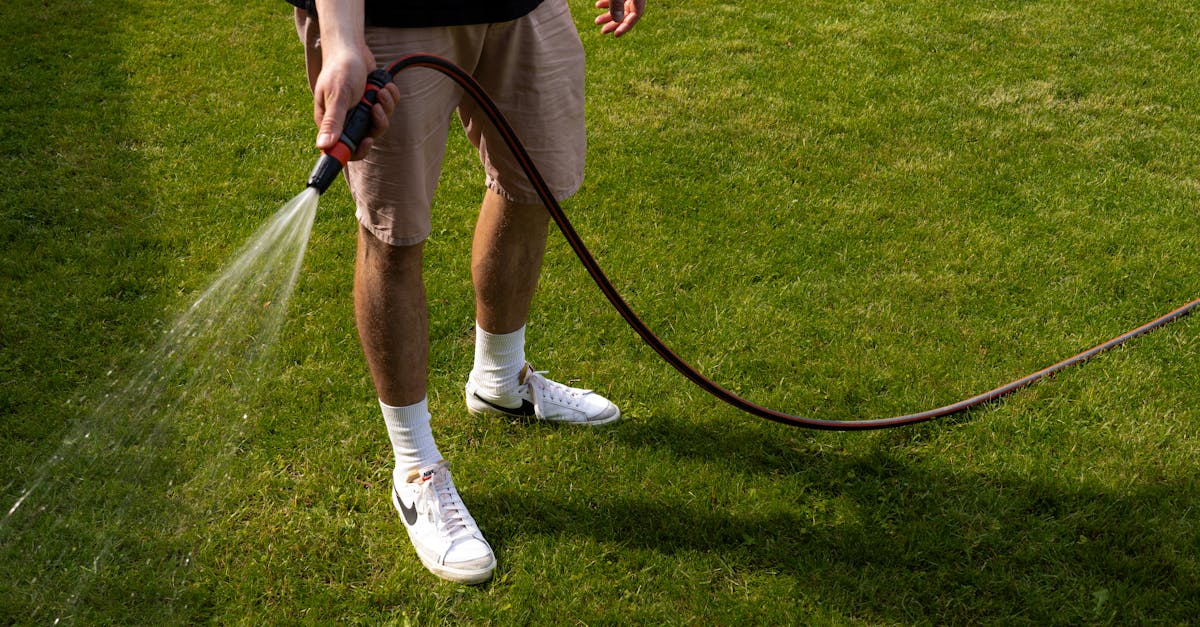
Moreover, the timing of watering is crucial in proper yard upkeep. Watering in the early morning is preferable to reduce water evaporation and enable the grass to absorb water effectively. Employing soaker hoses which deliver a gradual release of water might aid preserve soil moisture while stopping water runoff. Keeping an eye on weather conditions also guarantees that you irrigate your lawn correctly.
Guidelines on Efficient Irrigation Practices
Effective irrigation can be a key aspect of lawn care. Understanding appropriate quantity required for moisture your grass needs becomes vital. It's recommended to irrigate early in the morning when the sun are cooler. Watering at this time ensures the water to permeate deeply into the soil rather than escaping in the heat of the day.
Additionally, utilizing efficient irrigation approaches can aid save water while fostering a lush lawn. Think about using a soaker hose or drip irrigation system for deliver water directly to the roots without waste. Monitoring soil moisture can also assist decide when it is time to irrigate again. By applying these strategies, you can ensure a healthy and thriving lawn.
Finding the Appropriate Grass Variety for Your Conditions
Finding the right lawn breed often is crucial for a thriving garden. Different lawn varieties perform best under specific climatic conditions. For example, cool-season types like Kentucky bluegrass perform well in northern regions, while tropical types like Zoysia prefer southern climates. Having knowledge of your regional environment is key factor when making a choice which lawn breed to use.
Once you have a grasp on your environment, the next step is to evaluate other elements that can influence your lawn choice. Ground type, sun exposure, and water availability all contribute in how well a certain lawn breed will establish. As an example, if you have sandy soil, you might want to opt for lawn varieties that are more tolerant to those conditions. Additionally, if your lawn receives full sun, opting for a lawn that requires sunlight will assist in a more vibrant landscape.
Things to Think About for Choosing a Turf Type
Choosing a appropriate turf type can be essential to attaining the vibrant yard. Factors involve the climate factors in your specific area. Warm-season grass varieties do best in hot temperatures, whereas cool-season grass excels best in cooler climates.
Another consideration involves your yard's usage. High-traffic need more durable types which can endure heavy foot traffic. Furthermore, the type of soil as well as sunlight need to be evaluated to make sure the chosen turf will thrive in the surrounding area.
Sustainable Yard Care to Sustainable Homeowners
Nurturing your lawn using an sustainable approach not only aid the ecosystem, but promotes the vitality of your lawn. Employing organic nutrients along with insect management techniques that are safe for the individuals and animals serves as a fantastic choice for individuals looking to minimize their ecological footprint.
Implementing sustainable techniques like using compost grass clippings to act as mulch and creating local flora can enhance the vitality of your grass's look while caring for native species. Choosing local turf that require less water and are more durable to environmental climates can be an efficient way to guarantee a lush lawn without overly high resource use.
Reasons of Choosing Sustainable for The Grass
Opting for organic methods for your grass offers countless reasons. A primary reason is the beneficial impact on the ecosystem. Organic practices lessens the use of harmful chemicals that can harm soil and damage local wildlife. By adopting these practices, individuals contribute to a healthier planet while enjoying a lush and vibrant grass.
Another advantage of choosing eco-friendly practices is improved soil health. Organic amendments promote the growth of beneficial microorganisms in the soil, leading to enhanced nutrient availability for your lawn. Healthier soil results in more drought resistance and minimized susceptibility to pests and diseases. Ultimately, choosing organic does not only beneficial for the environment but also creates a thriving and resilient grass.